Dog Line Art
A Clean, Versatile Design for Real-World Embroidery
As a designer who’s stitched hundreds of custom projects, I always start by evaluating how a design will translate from screen to fabric. Dog Line Art is a clean, minimalist illustration that immediately feels like it could work in a variety of settings—whether it's a personalized gift or a commercial product. The simplicity of the design makes it both approachable and professional, which is a big plus when considering its use in handmade or small business contexts.
The First Impression: Minimalism with Purpose
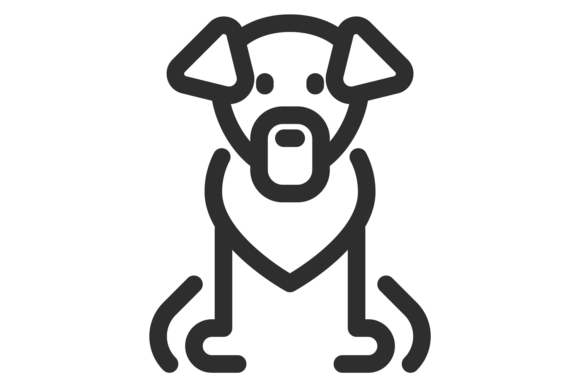
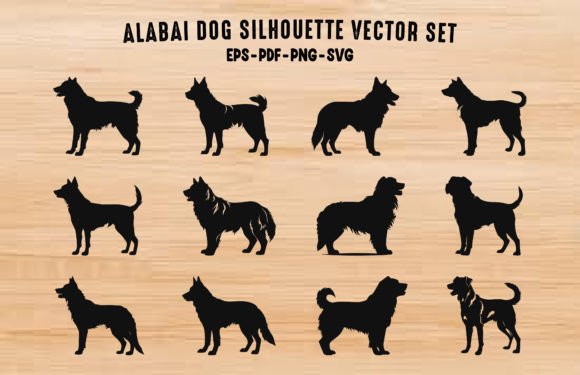
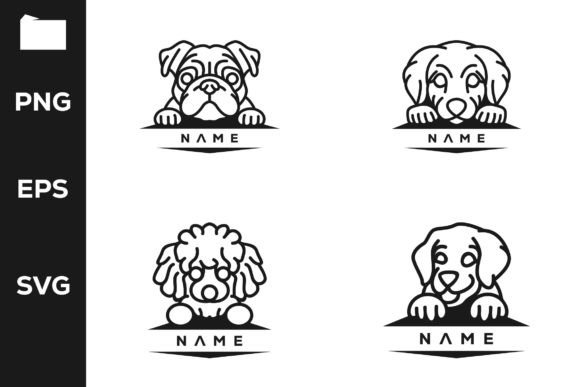
At first glance, Dog Line Art is a study in simplicity. It features a sleek, stylized dog rendered in smooth lines without excessive detail. This kind of line art is perfect for those who want something elegant yet recognizable. The absence of shading or color gives it a timeless quality that can fit into almost any design theme. I imagine this design working well on a baby blanket, a tote bag, or even as an applique on a patch.
What stands out is the balance between being detailed enough to be meaningful and simple enough to stitch cleanly. There’s no overwhelming complexity, which is a huge advantage when working with embroidery machines. The design doesn’t feel rushed or cluttered, and the lines are consistent in weight and flow. This makes it ideal for someone looking to create a clean, modern look without sacrificing visual interest.
Real-Life Use Cases: From Tote Bags to Custom Apparel
When thinking about practical applications, Dog Line Art has a lot of potential. I can see it used on a sweatshirt embroidery for a pet lover, a custom apparel project for a boutique, or even as a personalized gift for a dog owner. Its versatility allows it to be adapted across different products, whether it’s a holiday embroidery item or a commercial embroidery asset for a craft business.
I also think it would work well on embroidered patches or handmade products, especially if paired with a contrasting thread color. The design’s clean lines make it easy to apply fill stitches or satin stitches, which can add depth without complicating the overall look. For those using digital embroidery files, this design is likely to perform well on a range of hoop sizes, though I’d recommend testing it on scrap fabric first to ensure clarity and stitch density.
Where to Be Careful: Fabric and Detail Considerations
While Dog Line Art is generally straightforward, there are a few scenarios where extra care is needed. For example, using it on dark fabric may require more contrast in thread colors to maintain visibility. Similarly, on thin or stretchy fabrics, the design might not hold up as well unless proper stabilizer is used. Testing on a printable mockup or scrap fabric before committing to a final product is always a good idea.
Also, consider the stitch density and how it affects the design’s appearance. While the lines are clean, dense stitching areas could cause the design to appear too heavy or lose definition. If you're planning to sell finished items or digital products, make sure you understand the licensing terms. The product description mentions “Files eps, pdf, svg and PNG transparency Vectors,” so it’s worth checking whether these formats are suitable for your intended use.
Visual Appeal and Customer Trust
One of the biggest advantages of Dog Line Art is its ability to maintain visual appeal across different products. Whether it's a handmade product or a commercial embroidery item, the design adds a touch of personality without being overbearing. This makes it a great choice for Etsy sellers, small shop owners, or anyone looking to build a brand with a cohesive look.
From a customer perspective, the design’s simplicity and clarity contribute to trust. A well-executed embroidery design should look intentional and professional, and Dog Line Art delivers on that front. It’s not just a decorative element—it’s a statement that says something about the product’s purpose and the brand behind it.
Design Notes for Embroidery Professionals
If you're an embroidery designer or a craft business owner, there are a few things to keep in mind when working with Dog Line Art. Start by testing the design on scrap fabric to get a sense of how it looks in real life. Check the thread color contrast and ensure that the stitch density is appropriate for the fabric type and hoop size.
For small hoop sizes, the design might need to be scaled down carefully to avoid distortion. Also, consider how it performs on curved surfaces like caps or hats, as the lines may stretch slightly. Using the right stabilizer can help maintain shape and clarity, especially on textured fabrics.
Finally, don’t forget to review the design in black and white mockups to ensure that all elements remain visible and legible. This is especially important for personalized gifts or custom apparel where clarity is key to customer satisfaction.
Conclusion: A Reliable Choice for Practical Projects
Dog Line Art is a solid choice for designers and makers looking for a clean, versatile design that works across a wide range of products. Its minimalism and clarity make it ideal for both personal and commercial use, and its adaptability ensures it can fit into many different design themes and branding strategies.
Whether you're creating a handmade product, a personalized gift, or a commercial embroidery asset, Dog Line Art offers a reliable and professional option. Just remember to test it thoroughly, check the license terms, and consider how it will look on the final fabric. With a little care and attention, this design can become a valuable addition to your creative toolkit.